Recap – Human Capital Gap(s) in Maritime Services
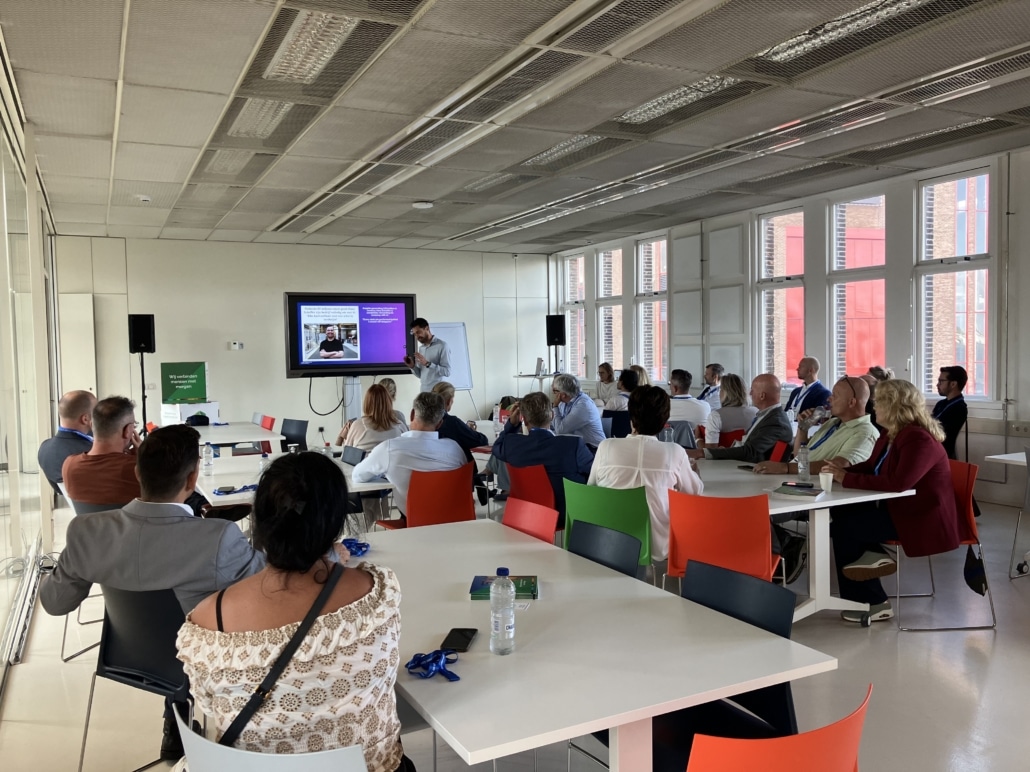
Human Capital and AI are certainly no friends if you ask the real people in our Rotterdam Maritime Services Community. Chatbots that fail to answer your questions – with KLM as a prime example – show that a telephone helpdesk staffed by humans is still the preferred option, and that companies which leave their customer service to AI agents lose customers rather than generating satisfied ones. A combination of the two may well be possible, but what is the optimal approach? Even when it comes to data collection, ChatGPT or other AI-driven methods still generate too many errors to be passed on to customers without the intervention of a critical specialist. The ‘Future of Work’ project is losing momentum because working in an environment with robots does not attract new employees. The consensus is that AI really must be regulated and managed by people. Can AI have an impact, improve output and speed things up? Absolutely. Can AI change teams and cause jobs to disappear? There is certainly a suspicion that this might happen, but there is great uncertainty about what tomorrow’s workplace will look like. Would we rather hire a robot than an employee? It really depends on the type of work, but preferably not a robot – because who will then ensure that social services remain affordable? Laurens van Wesep from Optimorrow inspired the audience with his presentation, which was peppered with wonderful examples of applications and success stories from companies such as IKEA and printing firms. Both junior and senior staff remain essential in teams, and what the optimal mix looks like warrants closer examination and research. We, as RMSC, are calling on members who wish to contribute to do so on a sector-by-sector basis.
A special thank you to Sharon Janmaat – Bouw and Lisette Smit – Bennemeer for organising this inspiring and insightful RMSC event and bringing our community together!